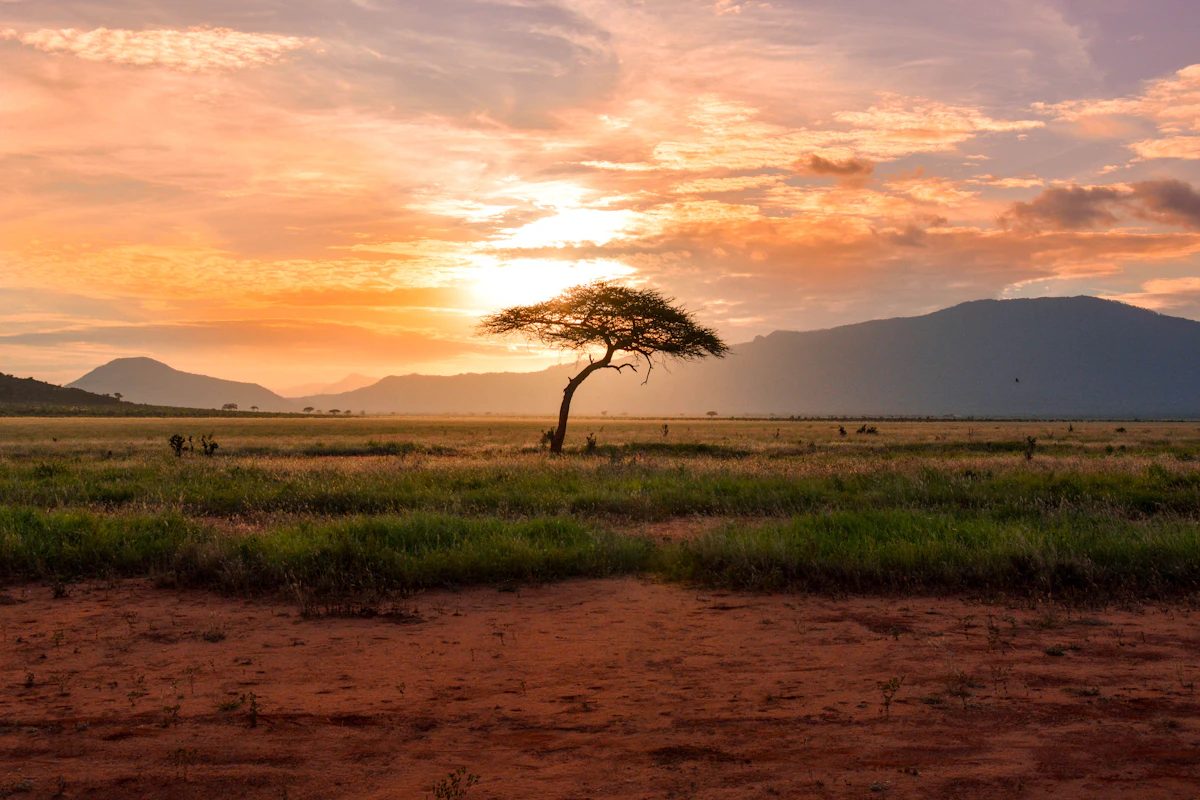
 Kenya · Africa
Kenya
Masai Mara safaris, Rift Valley lakes, and vibrant Nairobi culture
from $50/day Generally safewildlifeadventure
Quick Facts
Capital
Nairobi
Best airport
Jomo Kenyatta International (NBO)
Visa
eTA required for most nationalities - $30, available online
Migration peak
July–October (Masai Mara)
Avg temp
20–28°C / 68–82°F (varies by altitude)
Safety
Generally safe
Vibes
wildlifeadventureculturenature
Best Time to Visit
Jan
Feb
Mar
Apr
May
Jun
Jul
Aug
Sep
Oct
Nov
Dec
Best months This month
Daily Budget
Backpacker
$50
per day
Mid-range
$130
per day
Luxury
$450
per day
Top Experiences
🦁$150–400/day safari
Masai Mara Great Migration
July–October: over a million wildebeest and zebras thunder across the Mara River with crocodiles waiting below
🎈$450–550
Hot Air Balloon over the Mara
Float above the savanna at dawn watching herds move below - one of Africa's iconic experiences
🦒$45 entry
Nairobi National Park
Africa's only national park inside a capital city - lions and rhinos with city skyscrapers as a backdrop
Must-Try Food
Nyama Choma
Slow-roasted goat or beef over charcoal - Kenya's national dish, always served with ugali
Ugali
Dense maize porridge - the Kenyan staple, eaten with every meal using your right hand only
Mandazi
East African fried doughnut spiced with cardamom - breakfast staple with chai tea
Getting Around
🚌
Matatu (minibus)$0.30–3
Colourful shared minibuses cover most routes - cheap but unpredictable schedules and safety
🚗
Uber / Bolt$3–15
Works well in Nairobi and Mombasa - always safer than hailing taxis on the street
🚙
Safari 4WD$80–150/day
Non-negotiable for national parks - book through reputable operators with experienced guides
🚂
SGR Train$30–50
Standard Gauge Railway from Nairobi to Mombasa - comfortable, 5 hours, book in advance
Cultural Tips
Learn a few Swahili phrases - 'Habari?' (how are you?) and 'Karibu' (welcome) go a very long way
Do not photograph Kenyan people without asking first - always ask permission, always respectfully
Left hand is considered unclean - pass money and food with your right hand
Nairobi street crime is real - do not walk with visible phones, cameras, or jewellery
Wildlife park fees support conservation directly - pay them without negotiating
Tipping safari guides $15–20/day is the norm and makes up most of their income
Hidden Gems
Lake Bogoria - bright pink flamingo flocks, boiling hot springs, and almost no tourists
Samburu National Reserve - home to the 'Samburu Special Five': Grevy's zebra, reticulated giraffe, Beisa oryx, gerenuk, and Somali ostrich
Watamu Marine National Park - Kenya's best snorkelling reef, uncrowded and full of turtles
Going beyond the trip?
Explore the Kenya country profile
Cost of living, visas, healthcare, taxes, expat life and everything you'd need to actually move and stay long-term.