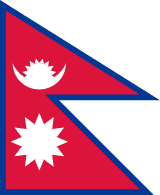
Nepal
Home of the Himalayas - Everest base camps, ancient temples and one of the world's cheapest living costs
Key Scores
Why people move to Nepal
Himalayan kingdom (now republic) of mountains and monasteries. Hindu and Buddhist tradition deeply blended; tourism a major lifeline.
People, religion & languages
Moderate in tourism (especially Kathmandu/Pokhara); low elsewhere.
Hindu majority with strong Buddhist tradition. The two faiths blend in daily practice.
Culture & etiquette
What locals value and what to watch for
- Greet with 'Namaste' (palms together)
- Remove shoes before homes, temples, monasteries
- Walk clockwise around stupas
- Eat with right hand
- Touching anyone's head (sacred)
- Pointing feet at people or shrines
- Stepping over food/people
- Public PDAs
Slow, mountain-led, family-centric.
Genuinely warm; thriving tourism and NGO scene.
Holidays & food culture
Dal bhat (lentils and rice) is the national dish - eaten twice daily by many. Newari and Tibetan influences add diversity.
Two main meals 10:00–11:00 and 19:00–20:00 (traditional).
Vegetarian very mainstream. Buffalo eaten by some communities; cow sacred to Hindus.
Work culture & business norms
Hidden Gems
Off the beaten path
Rara Lake - Nepal's largest lake at 3,000m, reachable only by domestic flight + 2-day hike, with almost no visitors
Mustang (Upper Mustang) - restricted rain-shadow kingdom behind the Himalayas, ancient cave temples and wind-sculpted cliffs
Bandipur - hilltop Newari village frozen in the 18th century, 7km off the Kathmandu-Pokhara highway
Single person, before income tax