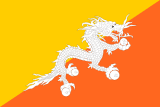
Bhutan
The last Himalayan kingdom - Gross National Happiness, monastery fortresses and pristine nature
Key Scores
Why people move to Bhutan
Tiny Buddhist kingdom measuring Gross National Happiness. Carbon-negative, fiercely traditional, deeply spiritual.
People, religion & languages
High - English is used in school and official correspondence.
Vajrayana Buddhism is state religion and central to identity; significant Hindu minority in south.
Highly visible - prayer flags, dzongs (fortress-monasteries), monks in red, daily ritual.
Culture & etiquette
What locals value and what to watch for
- Wear traditional dress (gho for men, kira for women) in government buildings (visitors not required but appreciated)
- Walk clockwise around stupas
- Remove hat in dzongs and temples
- Pointing feet at religious images
- Smoking in public (illegal/limited)
- Loud or aggressive behaviour
- Climbing on stupas or shrines
Very slow, ritualised, mountain-led.
Limited expat presence (visas controlled); locals warm and curious.
Holidays & food culture
Chili-heavy! Ema datshi (chilies in cheese) is the national dish.
Lunch 12:00–13:30, dinner 19:00–20:30.
Vegetarian options strong; meat consumed but slaughter discouraged.
Work culture & business norms
Hidden Gems
Off the beaten path
Haa Valley - one of Bhutan's most remote valleys, opened to tourism only in 2002; no dzong crowds, just farmhouses and yaks
Gangtey (Phobjikha) Valley - a glacial valley that hosts hundreds of endangered Black-necked Cranes every winter
Nabji-Korphu Trek - Bhutan's lowest altitude trek through subtropical forest with hot springs and bird species found nowhere else
Single person, before income tax